Japanese Glass Noodle Soup is a light and soothing soup made with soft, clear noodles that turn silky when cooked. The broth is mild, clean, and full of gentle flavor from soy sauce, sesame oil, and fresh aromatics. This makes it very easy to digest and comforting to eat, even when you want something simple and light.
Japanese Glass Noodle Soup is often enjoyed as a quick lunch or a warm starter because it is filling without feeling heavy. The noodles absorb the broth and create a smooth texture that feels soft in every bite. It can be made with tofu, eggs, or vegetables, and it is also easy to adapt for vegetarian or protein-rich versions.
What Is Japanese Glass Noodle Soup?
Japanese Glass Noodle Soup is a light and comforting soup made with clear noodles called harusame, which become soft and transparent when cooked. The broth is mild and gentle, usually made from chicken or vegetable stock, and flavored with soy sauce, ginger, and sesame oil. Instead of being heavy like ramen or thick like miso soup, this soup stays clean, smooth, and easy to digest.
It often includes tofu, eggs, wakame seaweed, and thinly sliced green onions for extra flavor and texture. Because the soup is light but still satisfying, people enjoy it as a quick lunch, a calm dinner, or a soothing meal when they want something warm and simple.
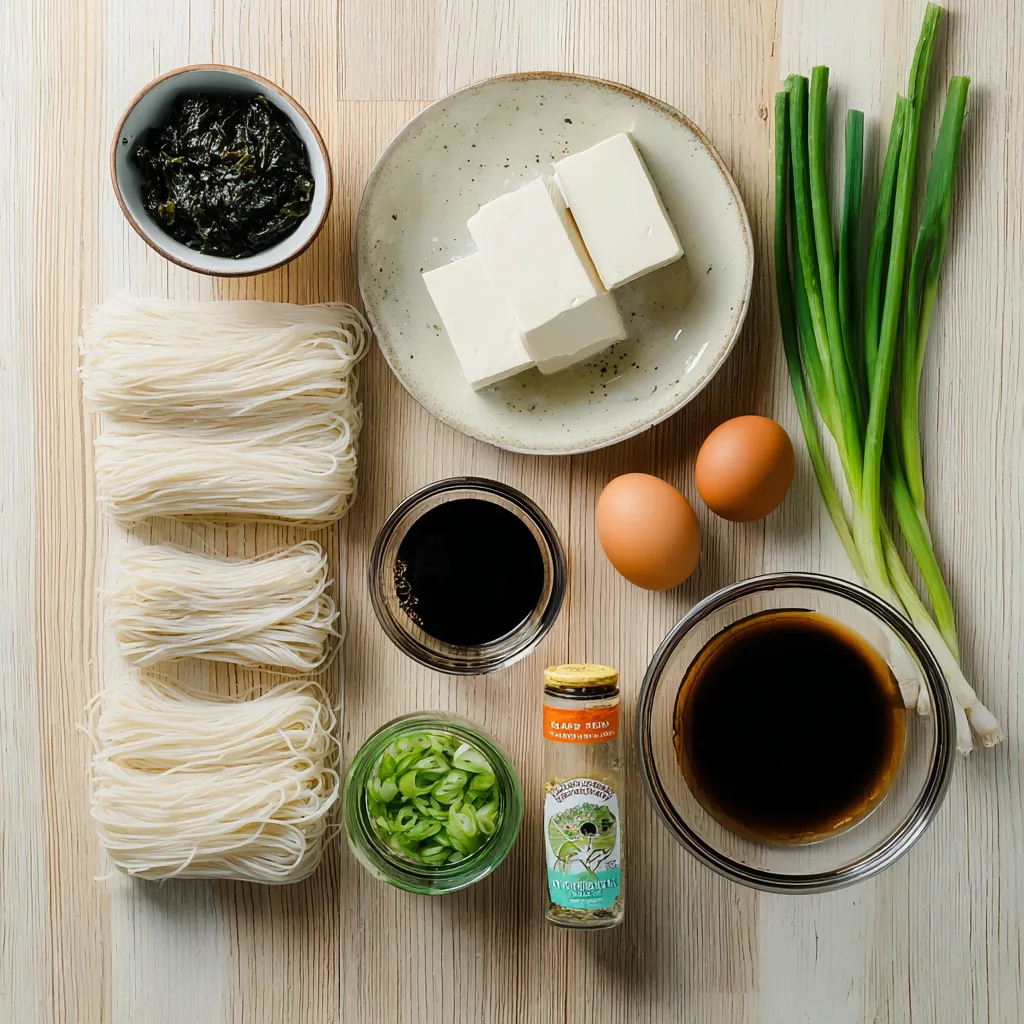
Ingredients You’ll Need
● Glass noodles (harusame or other clear noodles)
● Chicken broth or vegetable broth
● Water to soften the broth
● Medium-firm tofu, cut into small cubes
● Eggs, lightly beaten
● Wakame seaweed, rehydrated
● Green onions (scallions), thinly sliced
● Soy sauce for seasoning
● Sesame oil for aroma
● White pepper or black pepper
● Salt to taste
These ingredients create a light broth with a soft, silky texture from the noodles and a gentle ocean flavor from wakame.
Ingredient Breakdown
This soup is gentle in taste, so each ingredient should have a clear role. A light hand creates a clean flavor and a broth that feels balanced instead of heavy.
| Ingredient | Role in Flavor | Best Form | Notes |
|---|---|---|---|
| Glass noodles (harusame) | soft texture and body | dried | soak or simmer gently |
| Broth (chicken or vegetable) | base flavor | low-sodium | adjust salt later |
| Soy sauce | umami depth | light or low-sodium | add slowly and taste |
| Sesame oil | aroma and finish | toasted | use only a little |
| Eggs | silkiness and protein | lightly beaten | added last |
| Tofu | gentle protein | medium-firm | cut into small cubes |
| Wakame | ocean flavor | rehydrated | rinse before adding |
| Green onion | freshness | thin sliced | garnish at the end |
| White pepper | gentle heat | ground | use lightly |
Step-By-Step Instructions
- Gather Ingredients
Set out glass noodles, broth, water, tofu, eggs, wakame, green onions, soy sauce, sesame oil, salt, and white pepper. - Beat Eggs
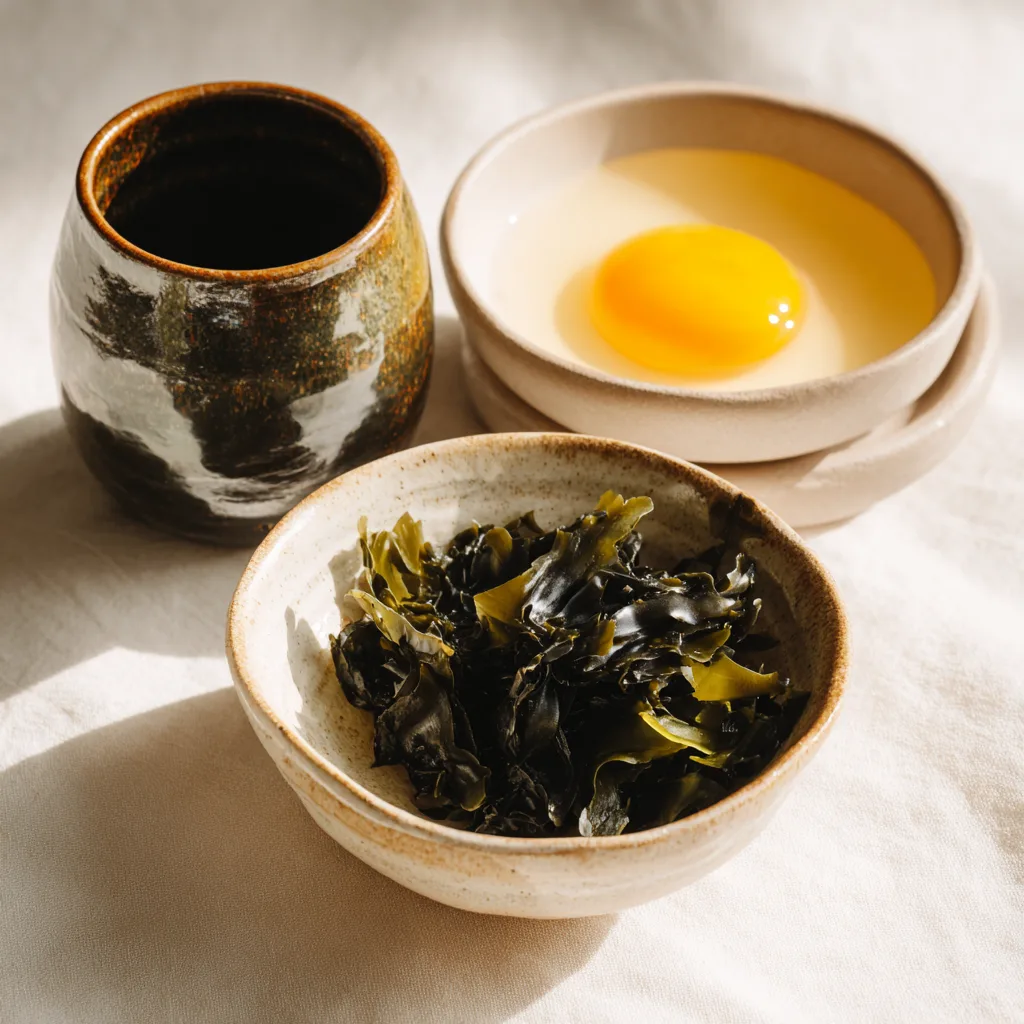
Beat 2 large eggs in a cup with a spout. Set aside. - Prep Green Onions
Slice the white parts into thin rounds. Slice the green parts on a diagonal. Keep them separate.
- Cube Tofu
Cut 3.5 oz medium-firm tofu into ½-inch (1.3 cm) cubes.
- Rehydrate Wakame
Soak 2 Tbsp dried wakame in water for 5 minutes. Drain and squeeze dry. Set aside. - Warm Pot And Aromatics
Heat a medium pot over medium heat. Add 2 tsp toasted sesame oil and the white parts of the green onions. - Aroma Sauté
Stir-fry 30 seconds until coated and fragrant. Add 2 cups chicken (or vegetable) stock and 2 cups water. - Season Broth
Stir in 1½ Tbsp soy sauce, 1 tsp kosher salt (adjust to taste), and ¼ tsp white pepper.
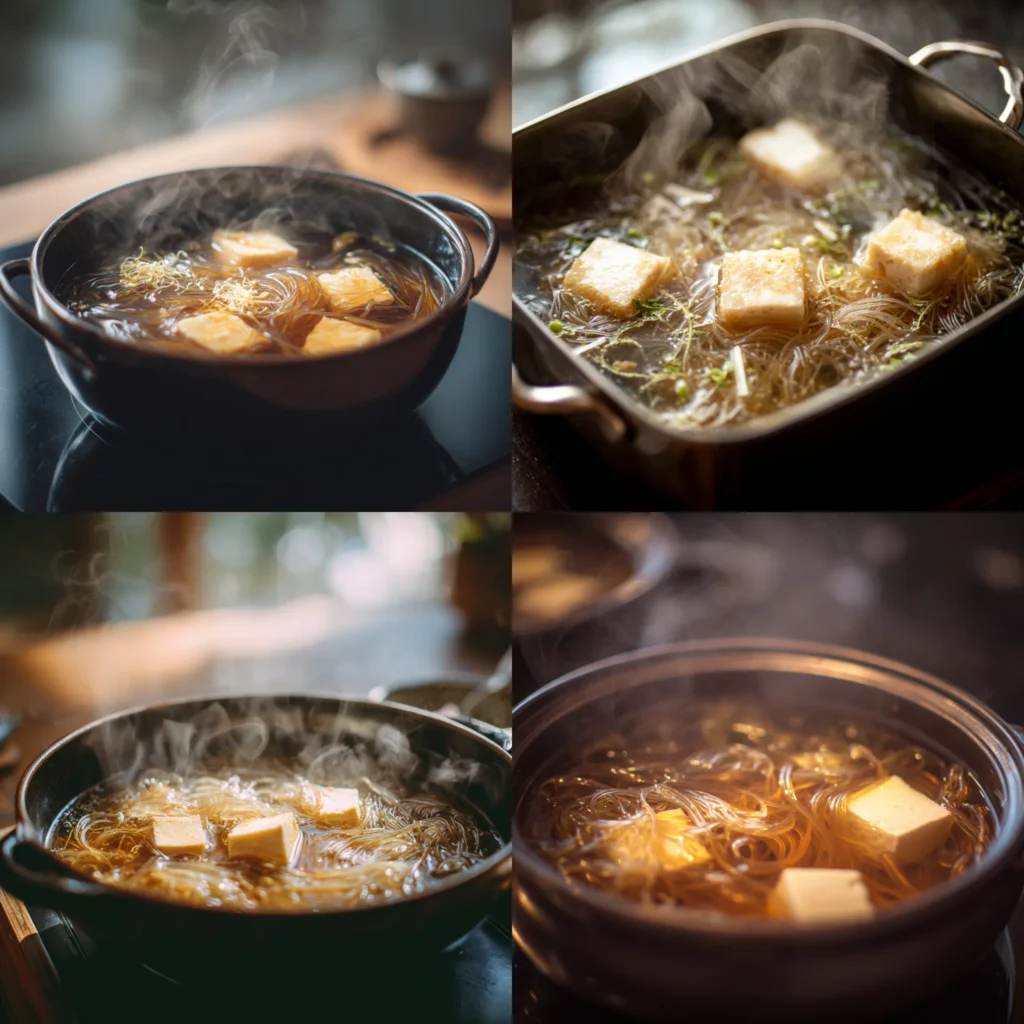
- Bring To A Boil
Cover and bring the soup to a boil, then uncover. - Add Tofu And Noodles
Add the tofu and 1 oz dried glass noodles (harusame). - Cook Noodles
Cook per package directions. Stir early so noodles do not stick to each other or the pot. - Make Egg Ribbons
Lower heat to a gentle simmer. Slowly drizzle the beaten eggs in a thin stream, moving in a spiral from center outward. Do not pour over already-set egg. Let sit 20–25 seconds until fluffy. - Finish And Serve
Add the rehydrated wakame, the green onion tops, and 2 tsp toasted white sesame seeds. Remove from heat. Portion noodles into bowls, then ladle broth over. Serve hot.
Storage And Reheating
| Storage Method | Time Limit | Notes |
|---|---|---|
| Refrigerator | up to 2 days | store noodles and broth separately |
| Freezer | not ideal | noodles lose texture when frozen |
| Reheat | low heat | avoid boiling after eggs are added |
The noodles will continue to soak broth over time, so it is best to store them apart until serving.
Types of Japanese Glass Noodle Soup and How They Differ
Not all glass noodles behave the same way. Some absorb broth quickly, while others hold a firmer bite.
| Type of Noodle | Made From | Texture | Cook Time | Best Use |
|---|---|---|---|---|
| Japanese harusame | potato or mung bean | soft and silky | short | classic style |
| Chinese fěnsī | mung bean | thin and springy | short | very light soups |
| Korean dangmyeon | sweet potato starch | thicker and chewy | longer | more filling bowls |
Japanese harusame will give the most traditional feel, while Korean noodles make the soup heartier.
Broth Strength Guide
You can adjust the softness or boldness of the base by changing broth strength.
| Style | Stock | Water | Flavor Result |
|---|---|---|---|
| mild | 1 part | 1 part | very light and soft |
| balanced | 2 parts | 1 part | classic taste |
| rich | 3 parts | 0 | deeper broth flavor |
For a soft and calming soup, the balanced version works best.
Flavor Timing and Technique
The order of steps protects both the broth and the noodles.
● aromatics first for fragrance
● broth next for base flavor
● tofu added before noodles so it warms gently
● noodles added last so they stay silky
● egg swirled in slowly near the end
● wakame and scallion only at serving
This timing keeps color, clarity, and softness.
Variation Ideas
This soup is easy to adapt without losing its gentle style.
● use vegetable broth for a vegan version
● add shiitake mushrooms for deeper umami
● swap tofu for thin chicken slices
● add spinach for color and minerals
● finish with a touch of chili for light spice
Each change shifts the personality of the soup while keeping it clean and comforting.
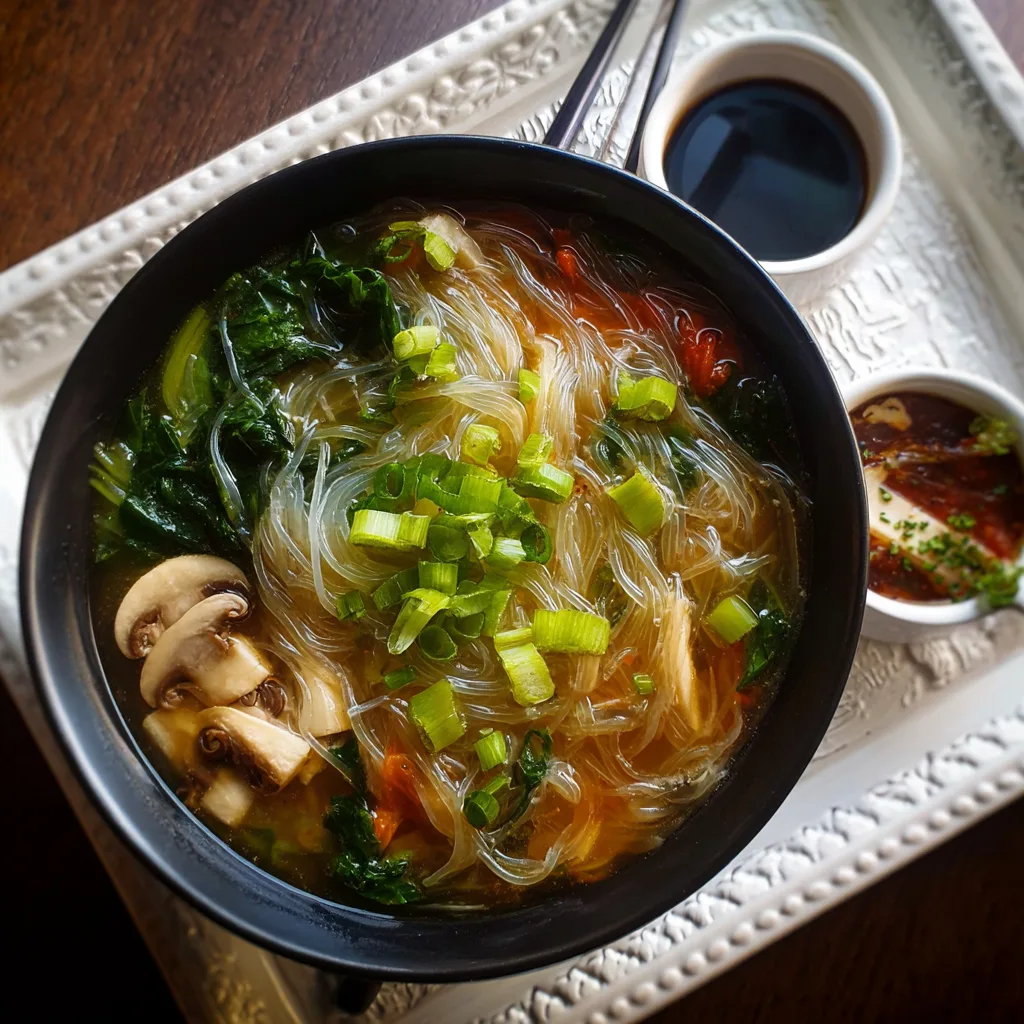
Serving Suggestions
● serve as a light lunch or starter
● pair with grilled fish or rice bowls
● enjoy on cold days for warmth
● add chili flakes for a gentle kick
The soup is gentle enough to be eaten alone or as part of a bigger meal.
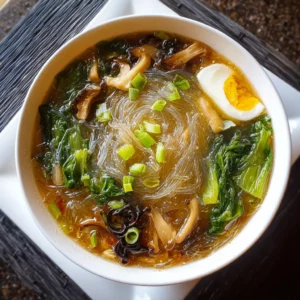
Japanese Glass Noodle Soup

Equipment
- Medium saucepan
- Cutting board
- Knife
- Measuring cups and spoons
- Ladle
- Small bowl for soaking wakame
Ingredients
- Glass noodles harusame, 1 oz
- Chicken or vegetable broth 2 cups
- Water 2 cups
- Eggs 2 large, lightly beaten
- Medium-firm tofu 3.5 oz, cubed
- Dried wakame seaweed 2 tablespoons
- Green onions thinly sliced
- Soy sauce 1½ tablespoons
- Sesame oil 2 teaspoons
- White pepper ¼ teaspoon
- Salt to taste
Instructions
- Rehydrate the wakame in water for 5 minutes, then drain.
- Beat the eggs and set aside.
- Heat sesame oil in a pot over medium-low heat.
- Add the white part of the green onion and cook briefly.
- Pour in broth and water, then add soy sauce, salt, and white pepper.
- Bring to a gentle simmer.
- Add tofu cubes and glass noodles and cook until the noodles soften.
- Lower the heat and slowly drizzle in the beaten eggs in a thin stream.
- Let the eggs set and stay fluffy.
- Add wakame and the green tops of the onions.
- Serve hot.
Notes
Nutrient Amount
Calories 110–130 kcal
Protein 6–8 g
Carbs 9–12 g
Fat 4–6 g
Fiber 1–2 g
FAQs on Japanese Glass Noodle Soup
1. What are Japanese glass noodles made from?
They are made from starch such as mung bean, potato, or sweet potato. They turn clear and silky when cooked.
2. Is this the same as ramen or udon?
No. Japanese Glass Noodle Soup is much lighter. The noodles are thin and transparent, not chewy like ramen or udon.
3. Can I make this soup vegetarian?
Yes. Use vegetable broth instead of chicken broth, and keep the eggs optional.
4. Why are the noodles cooked in the broth?
Glass noodles soak up flavor better when simmered in the soup instead of boiling separately.
5. How do I keep the eggs fluffy?
Pour the beaten eggs slowly in a thin stream and let them set without stirring for 20–30 seconds.
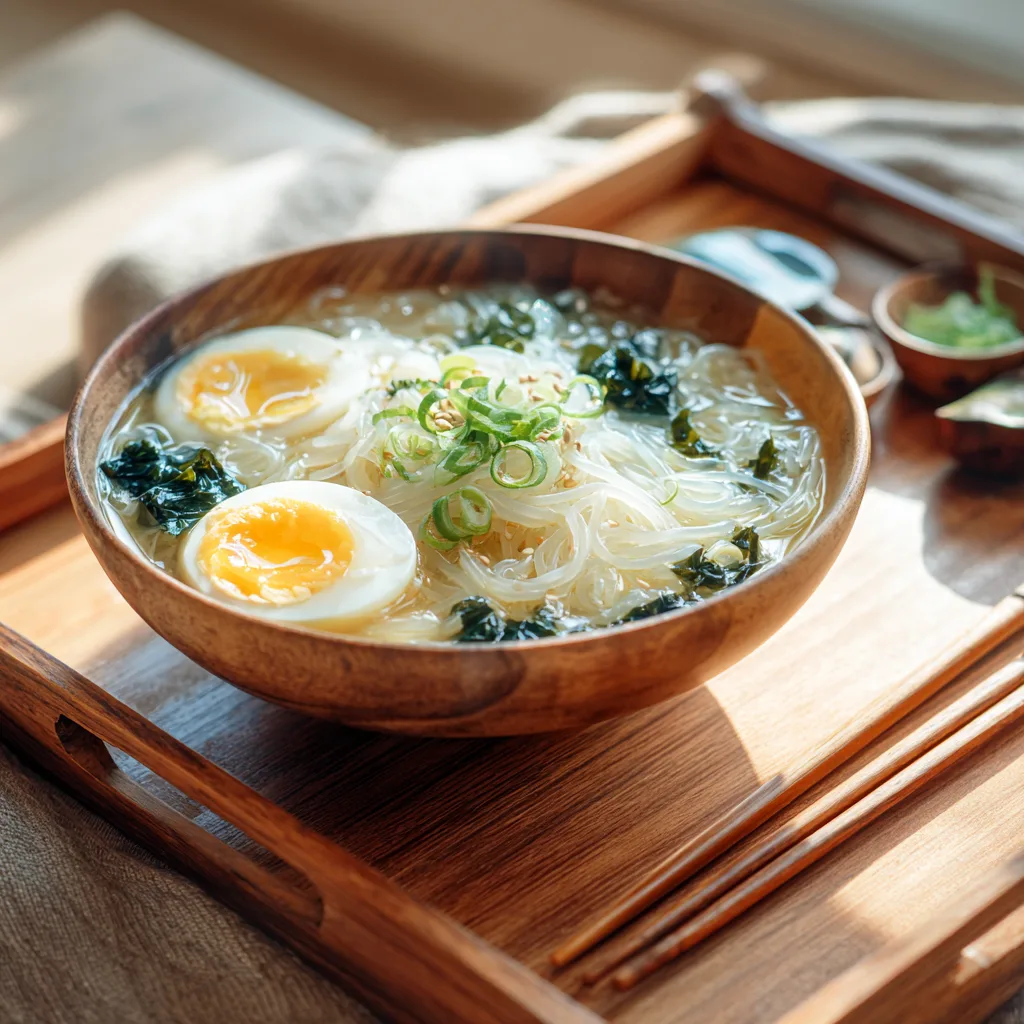
Summary on Japanese Glass Noodle Soup
Japanese Glass Noodle Soup is light, soft, and comforting. The noodles give a silky bite while the broth stays clean and mild. The flavor comes from balance, not heaviness, which makes it a peaceful bowl to enjoy any time of day. With the right timing and gentle simmering, you get a soup that feels calm, soothing, and easy to digest.


