So you want bread, but keto keeps saying “nope”? Same here. That craving hits hard, especially when everyone else wraps their food like it’s no big deal. That’s why Keto Coconut Flour Flatbread feels like a small miracle. It gives you something warm, soft, and flexible without breaking your low-carb plan.
I make this flatbread when I want a real meal that doesn’t feel like a compromise. It cooks fast, uses simple ingredients, and doesn’t wreck the kitchen. You mix the dough, cook it in a pan, and eat like a normal person again. If keto bread has failed you before, don’t worry. This one actually understands the assignment.
Why This Recipe Is Awesome
Let’s be honest. Many keto breads promise a lot and deliver sadness. This one does not.
-
It feels like bread. Soft, flexible, and bendable.
-
It cooks fast. No oven required.
-
It uses basic ingredients. Nothing fancy or rare.
-
It works for real meals. Wraps, dips, and sides.
-
It keeps cleanup simple. One bowl and one pan.
IMO, keto food should feel comforting, not like a punishment.

Ingredients You’ll Need
Every ingredient has a job. No filler allowed.
-
Coconut flour – Low carb and very filling. A little goes a long way.
-
Eggs – Hold the dough together and add flexibility.
-
Psyllium husk powder – Gives that bread-like texture and stretch.
-
Baking powder – Adds lightness and prevents dense flatbread.
-
Salt – Brings flavor forward.
-
Water or almond milk – Adds moisture to balance coconut flour.
-
Olive oil or coconut oil – Keeps the flatbread soft and tender.
Short list. Big results.
Step-by-Step Instructions
Step 1: Mix the dry ingredients
Add coconut flour, psyllium husk powder, baking powder, and salt to a bowl. Stir until everything mixes evenly.
Step 2: Add the wet ingredients
Add eggs, oil, and water or almond milk. Mix well. The dough will look thick. That’s normal.
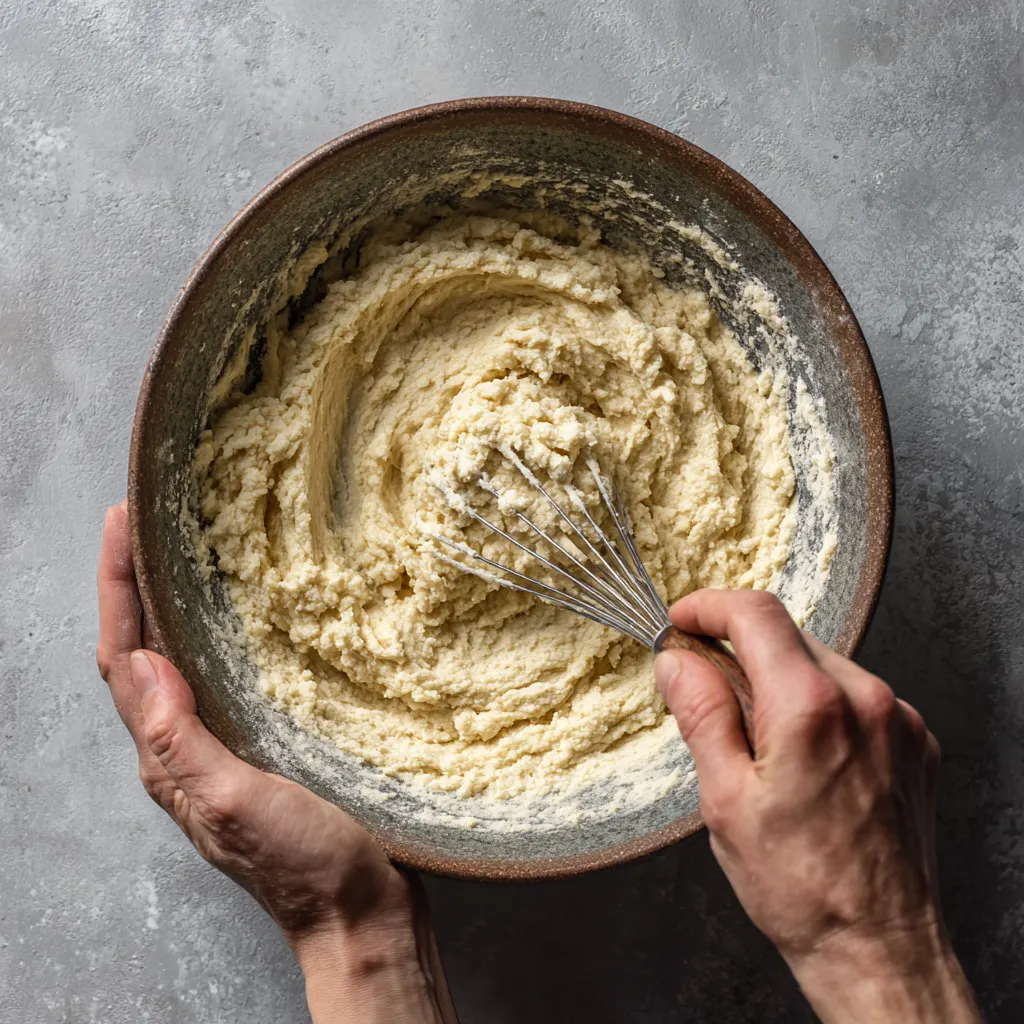
Step 3: Rest the dough
Let the dough sit for about 2 minutes. Coconut flour absorbs liquid quickly, and this step matters.
Step 4: Divide the dough
Split the dough into equal portions. Even sizes cook better.
Step 5: Shape the flatbreads
Place each dough ball between parchment paper. Press into thin, round shapes.
Step 6: Heat the pan
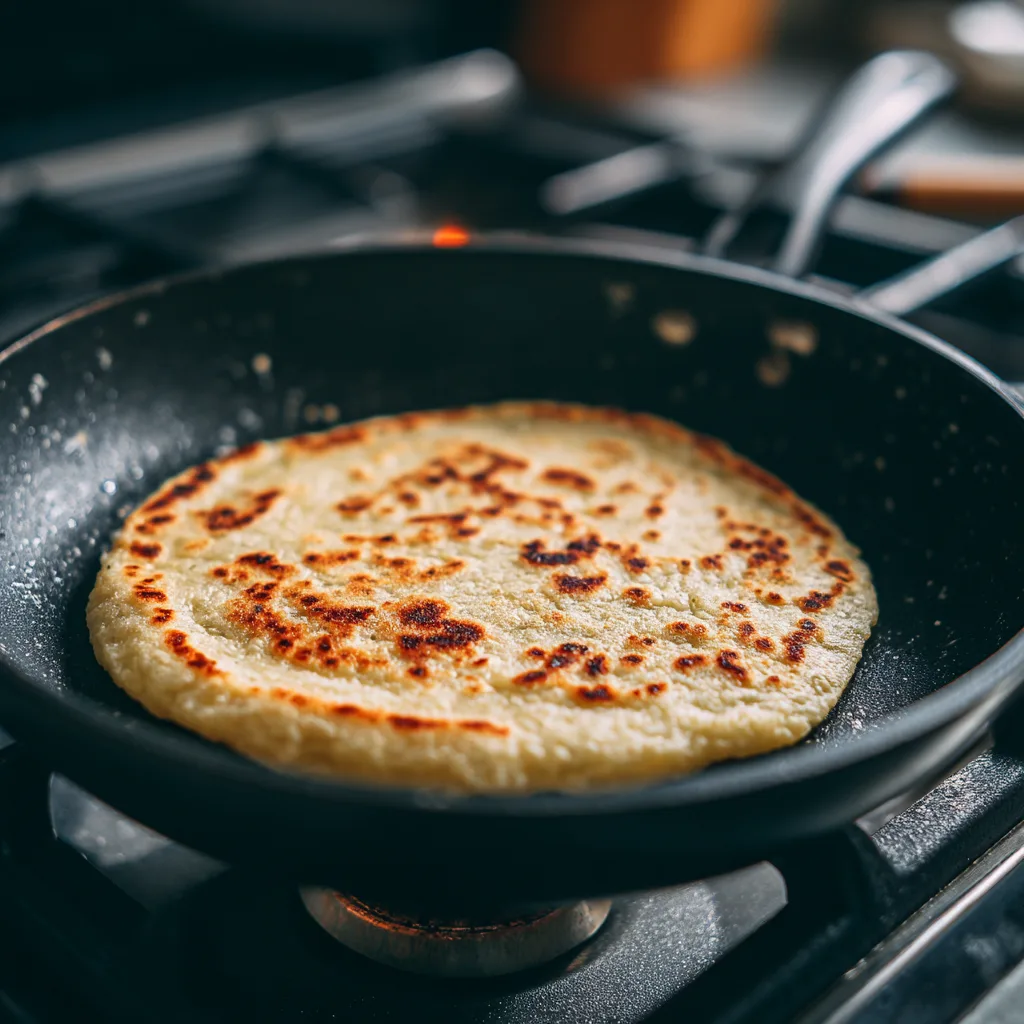
Heat a nonstick pan over medium heat. No extra oil needed.
Step 7: Cook the flatbread
Cook each side for 2–3 minutes. Look for light golden spots.
Step 8: Cool briefly
Let the flatbreads cool for a minute before using.
Common Mistakes to Avoid
-
Using too much coconut flour. Dry bread happens fast.
-
Skipping the rest time. Texture suffers every time.
-
Cooking on high heat. Burnt outside, raw inside.
-
Making them too thick. Thick flatbread won’t bend.
-
Overcooking. Coconut flour dries quickly.
Ever wonder why keto bread cracks? One of these caused it.
Alternatives & Substitutions
This recipe stays flexible.
-
Swap olive oil for avocado oil.
-
Use water or almond milk based on taste.
-
Add garlic powder or herbs for savory flavor.
-
Add cinnamon and sweetener for a sweet version.
FYI, savory flatbread works best for wraps and meals.
Helpful Tips
-
Measure coconut flour carefully. Precision matters here.
-
Roll the dough thin. Thin flatbread stays flexible.
-
Use steady heat. Medium heat works best.
Simple steps create better results.
Expert Tips for the Best Results
-
Stack cooked flatbreads under a towel. This traps steam and keeps them soft.
-
Use fresh psyllium husk powder. Old powder ruins texture.
-
Flip only once. Let each side set fully before turning.
This recipe rewards patience.
Texture and Flavor Notes
Good Keto Coconut Flour Flatbread should feel:
-
Soft but sturdy
-
Flexible and foldable
-
Mild in flavor
-
Slightly chewy
If it feels crumbly, moisture ran too low.
Serving Suggestions
This flatbread fits into almost any meal.
-
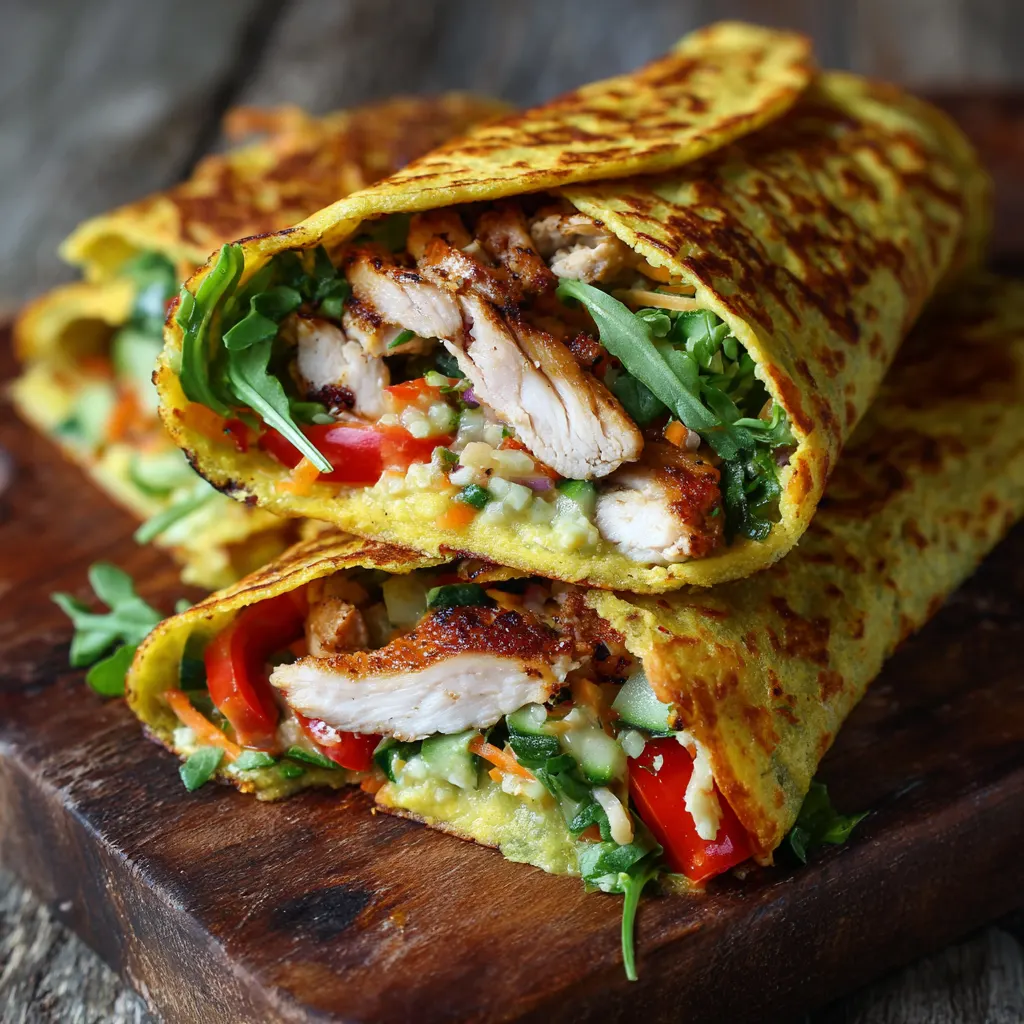
Wrap grilled chicken or veggies
-
Use as a keto pizza base
-
Serve alongside soups or stews
-
Dip into keto-friendly spreads
-
Make breakfast wraps
Ever try it as a quesadilla base? It works shockingly well.

Storage and Reheating Tips
-
Store flatbreads in an airtight container.
-
Refrigerate for up to 5 days.
-
Freeze between parchment paper if needed.
-
Reheat gently in a pan or microwave.
They soften right back up with light heat.
Keto Coconut Flour Flatbread

Equipment
- mixing bowl
- Whisk
- Nonstick pan
- Spatula
- Parchment paper
Ingredients
- ½ cup coconut flour
- 2 large eggs
- 1 tablespoon psyllium husk powder
- ½ teaspoon baking powder
- ¼ teaspoon salt
- ¾ cup water or unsweetened almond milk
- 1 tablespoon olive oil or coconut oil
Instructions
- Add coconut flour, psyllium husk powder, baking powder, and salt to a bowl. Mix well.
- Add eggs, oil, and water. Stir until a thick dough forms.
- Let the dough rest for 2 minutes.
- Divide dough into equal balls. Flatten each between parchment paper.
- Heat a nonstick pan on medium heat.
- Cook each flatbread for 2–3 minutes per side until lightly golden.
Notes
Nutritional Facts (Per Flatbread – Approximate)
Calories: 120 Fat: 7 g Carbohydrates: 8 g Fiber: 5 g Net Carbs: 3 g Protein: 4 gFAQ
Does this taste like coconut?
Only slightly. Savory fillings hide it well.
Is this recipe dairy-free?
Yes. No dairy included.
Why is my dough too thick?
Coconut flour absorbed too much liquid.
Can I double the recipe?
Yes. Keep all measurements balanced.
Can I use almond flour instead?
No. Almond flour behaves differently.
Is this good for meal prep?
Yes. It stores and reheats well.
Why did my flatbread crack?
Overcooking or low moisture caused it.
Final Thoughts on Keto Coconut Flour Flatbread
Keto Coconut Flour Flatbread makes low-carb eating feel normal again. It’s soft, flexible, and easy enough for everyday cooking. You don’t need special tools or advanced skills. This recipe works on busy nights, relaxed weekends, and meal prep days. Once you make it a few times, it becomes second nature. Warm flatbread without guilt feels like a win—and keto wins matter.


